
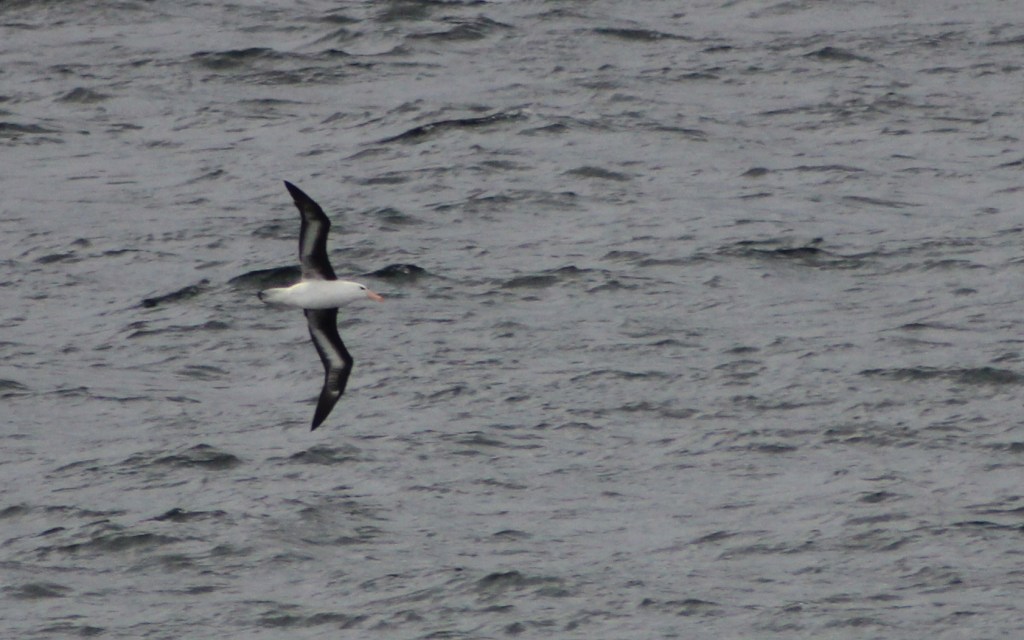
As an avid bookworm, I have read many sea stories about albatrosses, yet never imagined I would see one. For that to be off the southern tip of South America on my way to Antarctica made it all the more amazing. This Black-browed Albatross escorted our ship through the Beagle Channel to the Drake Passage, majestically swooping and gliding close to the waves in seemingly effortless loops.
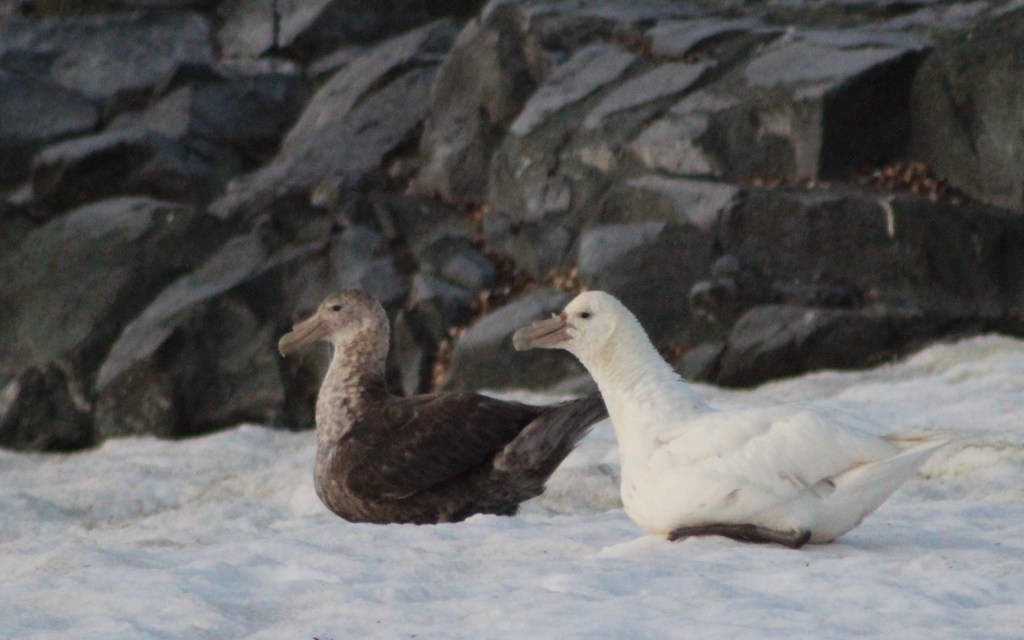
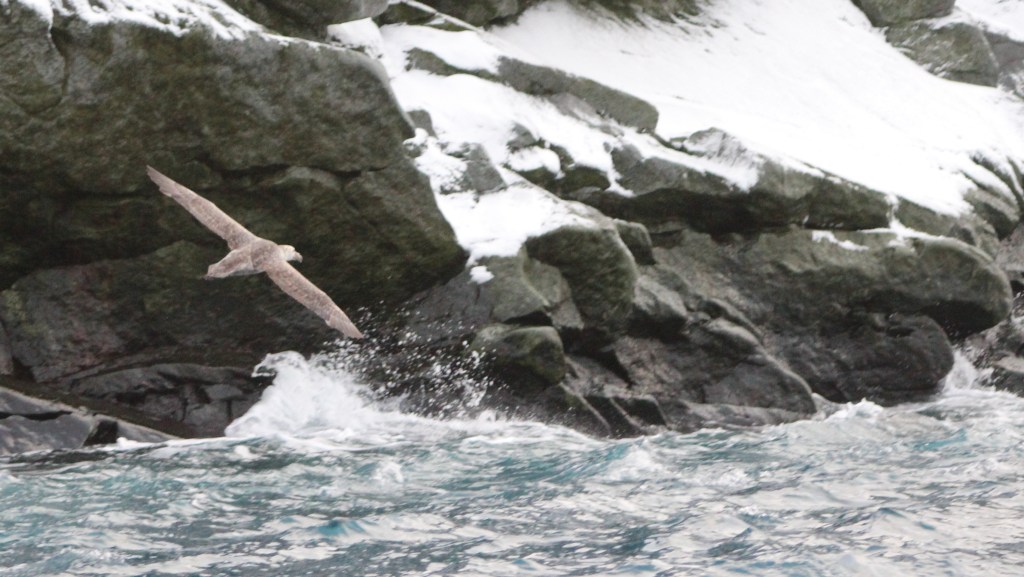
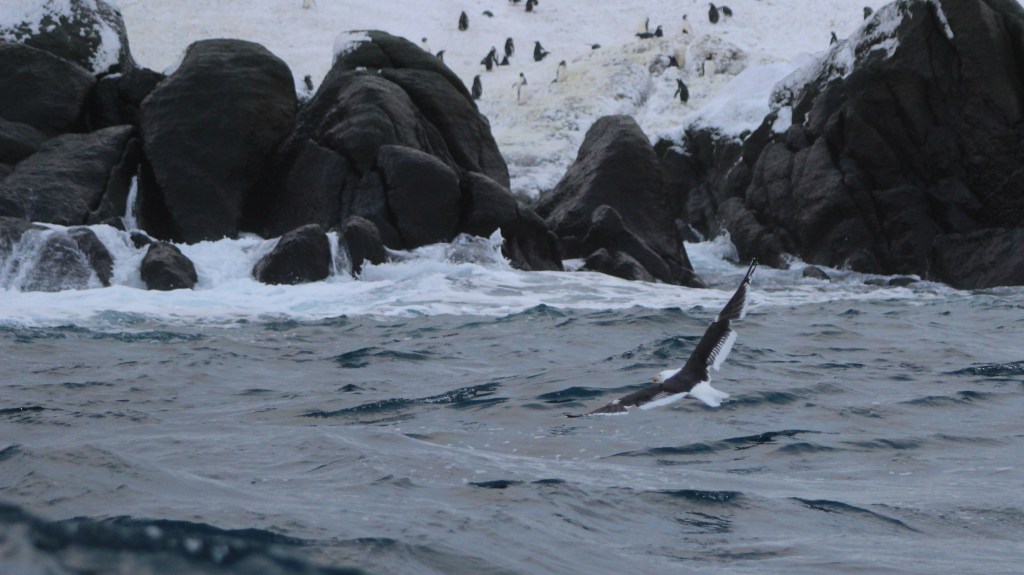
When we reached the first island, in the Southern Shetlands where giant Elephant Seals lazed on the beach, Southern Giant Petrels nested among the rocks. We weren’t permitted to get close so as not to disturb them, but were fortunate to see more at Hydrurga Rocks further south, including a white morph (commonly known as ‘white nellies’). These birds are far stockier than albatrosses and have a lumbering flight.
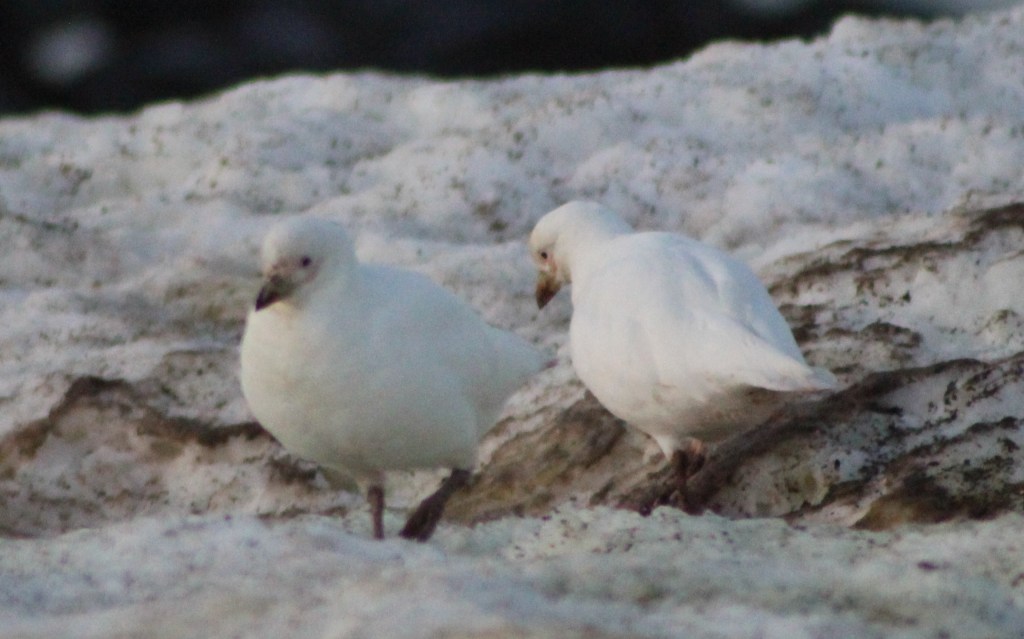
Snowy Sheathbills strutted among the Weddell seals and Chinstrap penguins, looking like white pigeons. These hyperactive seabirds play a vital role by scavenging anything from seal placenta to penguin poop. They also consume regurgitated krill destined for penguin chicks, and steal unguarded eggs.
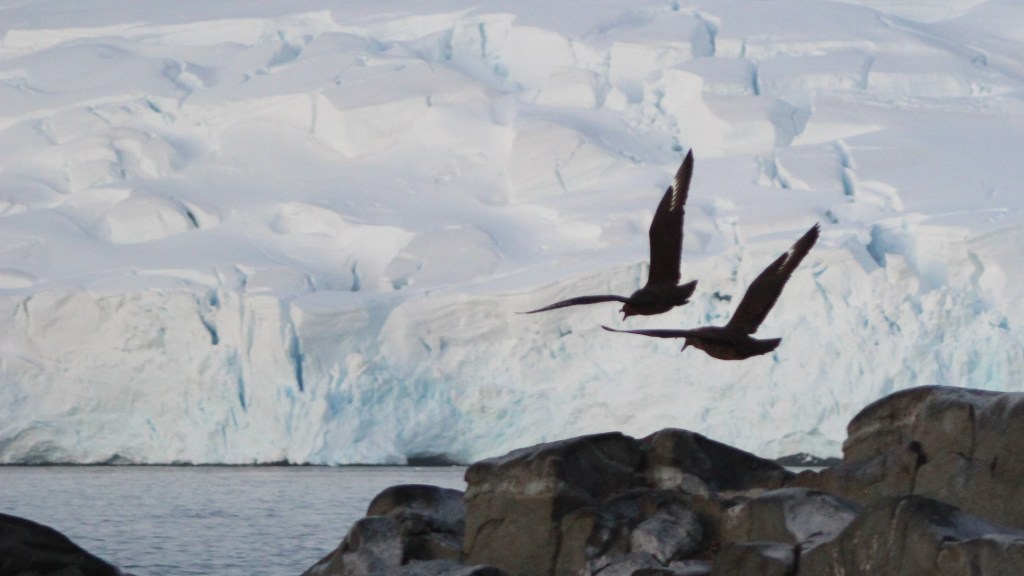
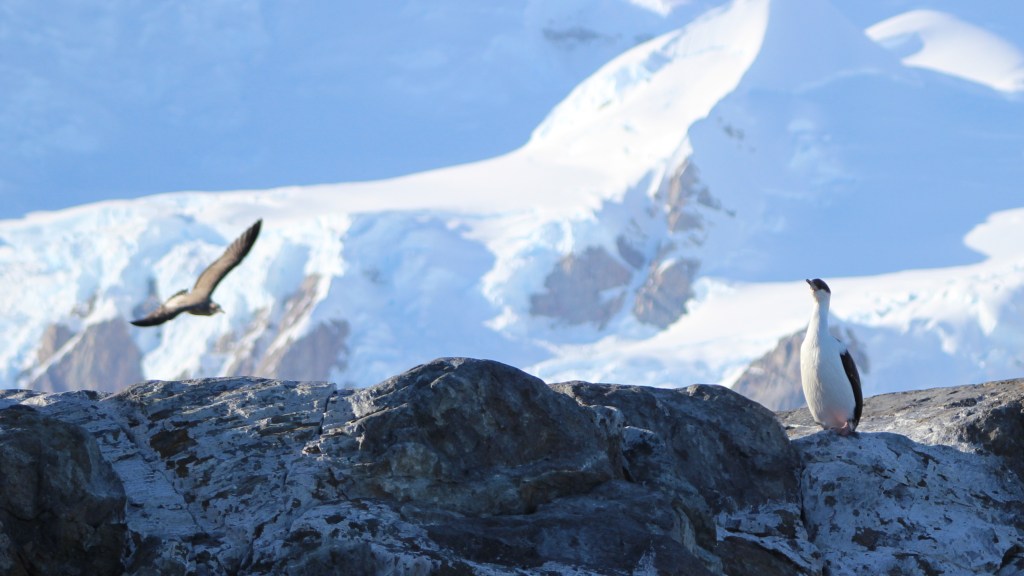
Other thieves of penguin eggs are the skuas. We saw quite a few Brown Skuas, bullying Antarctic Shags and Kelp Gulls in the air, or holding them underwater until they released their catch. They also attack and eat young chicks. At night, they hunt storm-petrels.
At first sight, I mistook the black and white Antarctic Shags for penguins, but their long necks and ability to fly soon differentiated them.
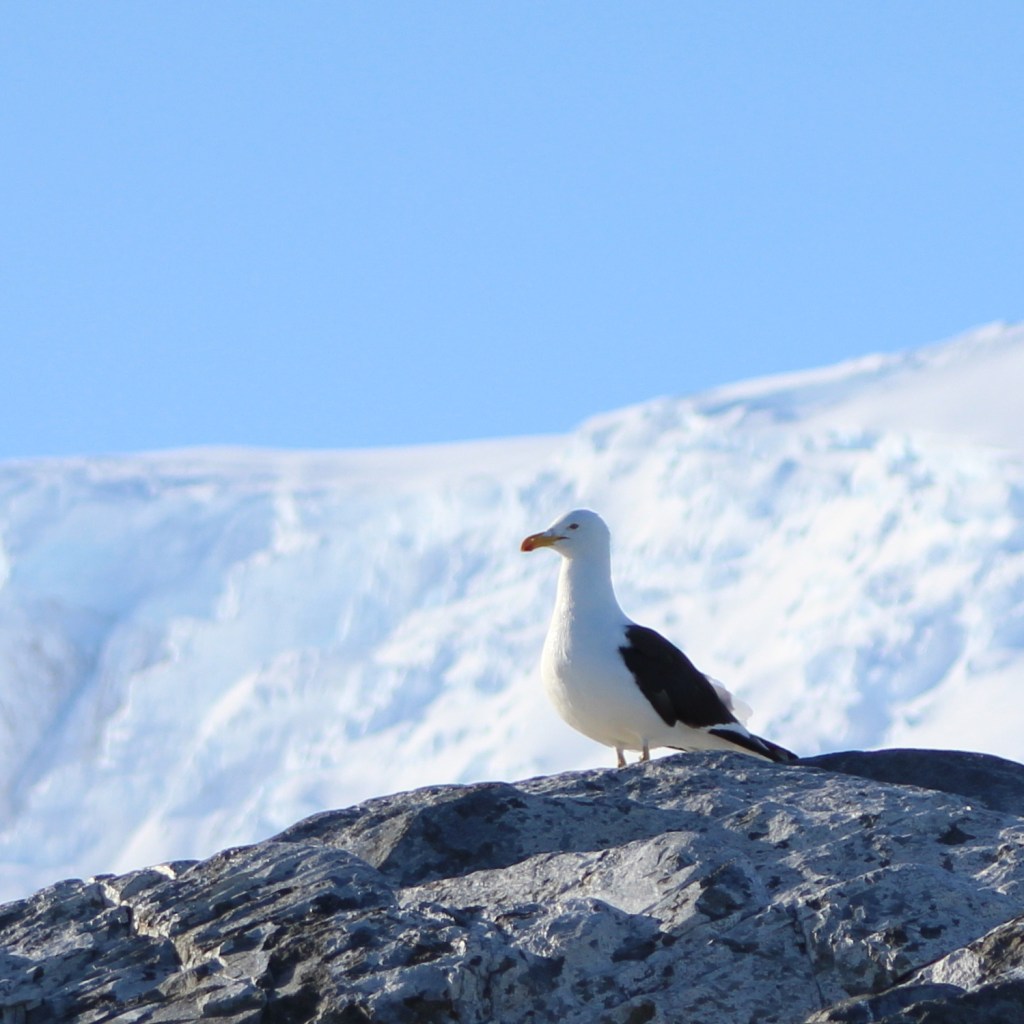
Young Kelp Gulls, which are brown, could be confused with skuas, but the adults are white with black upper wings. These birds are also predators of penguin and tern nests, although their predominant diet is limpets.
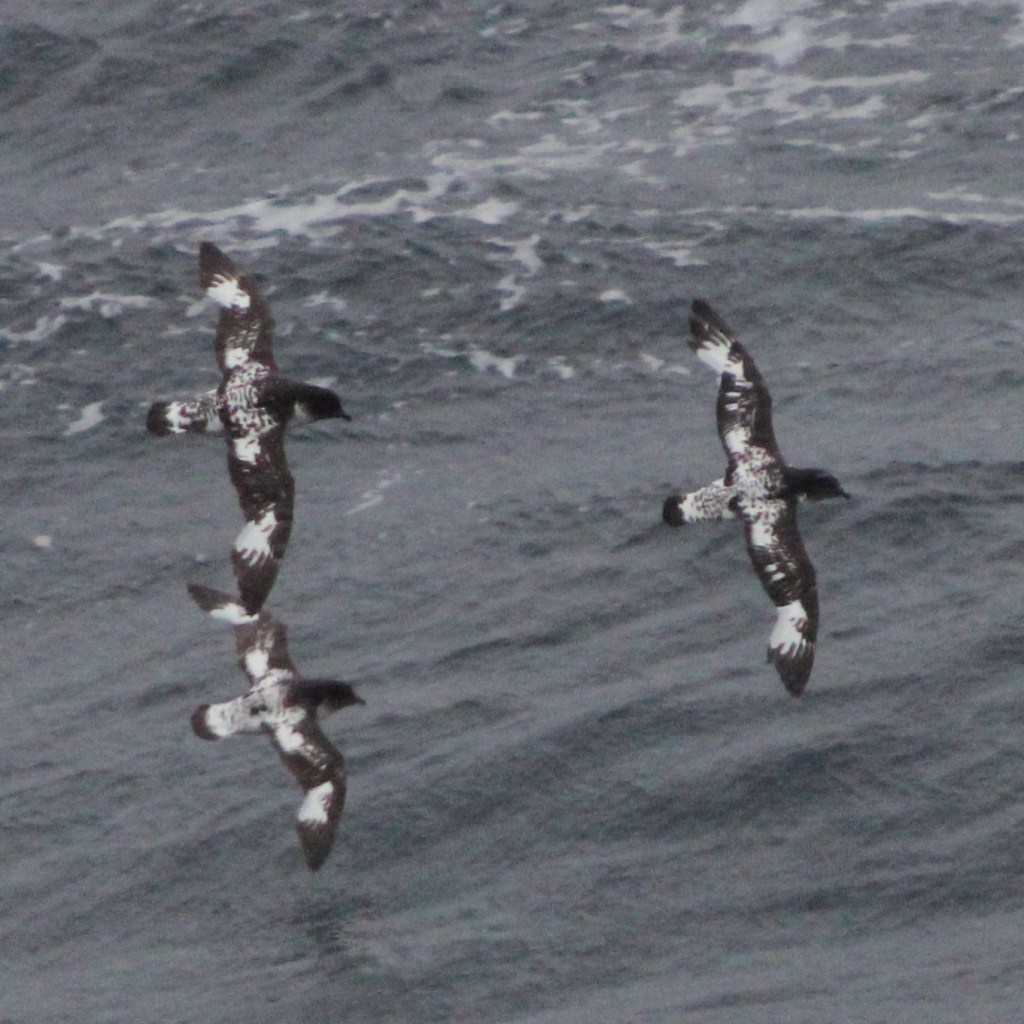
When cruising in open water, we were sometimes privileged to have Cape Petrels accompanying the ship. One lunchtime, a flock of 30 or so kept pace next to where I dined, skimming low over the waves in dexterous manoeuvres.
All of these seabirds were plentiful around the Antarctic Peninsula, always interesting to watch as they went about their daily business.
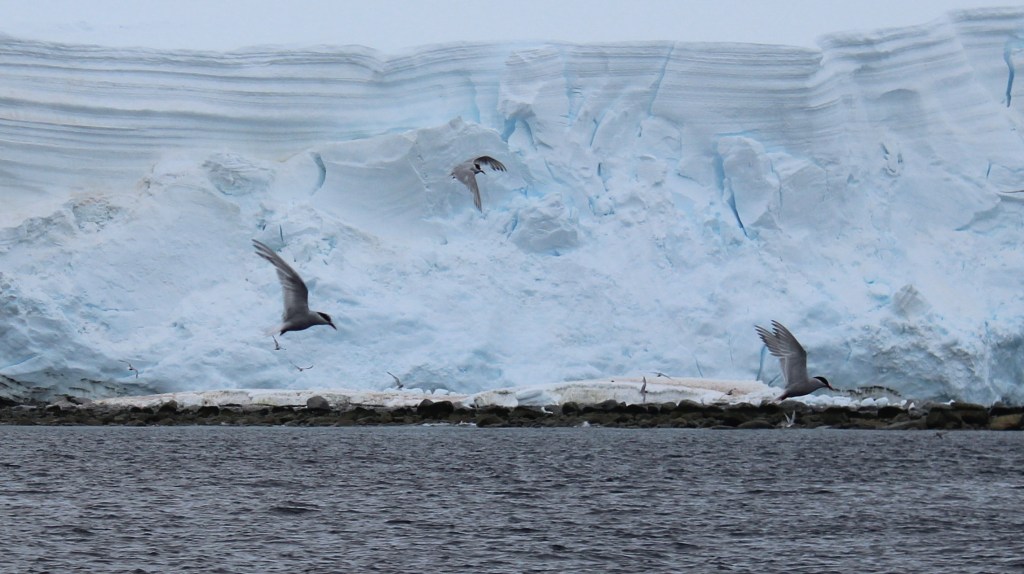
On the eastern side of the peninsula we were fortunate to see flocks of Antarctic Terns, hovering above the waves then plunge-diving for small fish.
Of course, no commentary about Antarctic seabirds would be complete without mentioning penguins. For more on those I saw, read my blog post Antarctica – Penguins.

